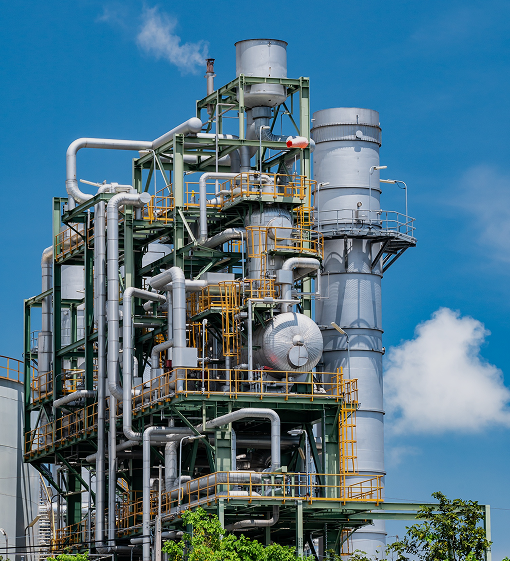
Air Pollution Control Equipment for the Chemical Industry
Advanced systems to control acidic gases, VOCs, toxic emissions, and particulate matter, engineered for safe, efficient, and high-performance chemical processing environments.
Designed for Hazardous Environments
VOC & Toxic Gas Control
Built for Process Efficiency
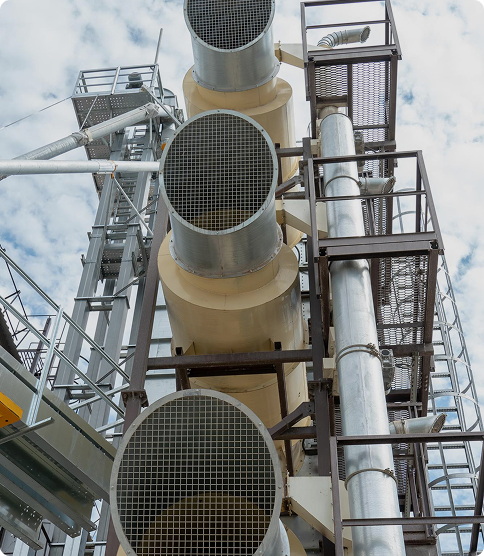
Overview
What Are Air Pollution Control Systems in the Chemical Industry?
Industrial air pollution control systems in the chemical industry are designed to capture, treat, and manage emissions, including acidic gases, VOCs, toxic fumes, and fine particulate matter generated during processing.
These air pollution control equipment help maintain cleaner production environments, improve operational efficiency, and support safe handling of hazardous emissions.
They typically include:
Wet scrubber systems for gas and vapor treatment
Industrial dust collection systems for particulate control
Cyclone separator for efficient removal of coarse dust particles.
Challenges
Key Air Pollution Challenges in Chemical Manufacturing
Chemical plants operate with complex emission profiles that require specialized handling. Common challenges include:
- Acidic gases such as HCl, HF, SOx, and NOx
- VOCs emissions from solvents and reactions
- Toxic fumes and hazardous vapors
- Fine particulate matter from powder handling
- Corrosive, high-temperature and high pressure gas streams
These conditions demand engineered solutions from experienced air pollution control equipment manufacturers.
Tech for Future
Engineered Solutions for Chemical Emission Control
As one of the reliable industrial dust collector manufacturers in India, TNBi systems are engineered for high efficiency and long-term performance.
Use Cases
Applications in the Chemical Industry
TNBi’s solutions are widely used across:
Bulk chemical processing plants
Specialty chemical manufacturing
Fertilizer and agrochemical units
Petrochemical processing
Resin and polymer production
Use Cases
Benefits of TNBi Solutions for the Chemical Industry
TNBi’s systems are designed to support efficient and reliable plant operations.
Effective control of gases, vapors, and particulates
Improved process cleanliness and consistency
Safer handling of hazardous materials
Durable systems for corrosive environments
Optimized performance for continuous industrial use
Guide
How to Choose the Right Pollution Control System for Chemical Plants
A process-led approach ensures the most suitable industrial air pollution control systems are selected.Selecting the right air pollution control system depends on process-specific factors.
Key considerations include:
- Type of emissions (dust, gases, VOCs)
- Gas composition and chemical reactivity
- Operating temperature and pressure
- Required separation or filtration efficiency
- Integration with existing plant systems
Approach
Our Approach to Chemical Industry Projects
TTNBi’s systems are designed to support efficient and reliable plant operations.
We will never take any step against Bharat.
Let’s Connect
Need Reliable Pollution Control Solutions for Your Chemical Plant?
Connect with our experts for custom Air Pollution Control Systems solutions matched to your requirements.
FAQ's
Frequently Asked Questions
What types of emissions are generated in chemical plants?
Chemical plants typically generate acidic gases, VOCs, toxic fumes, and fine particulate matter. These emissions require specialized industrial air pollution control systems, such as wet scrubbers, industrial dust collectors, and air classification systems, for effective treatment and improved process efficiency.
Which system is best for VOC and acidic gas removal?
Wet scrubber systems and Activated Carbon bed filters are widely used for removing VOCs and acidic gases in chemical plants. As leading wet scrubber manufacturers in India, TNBi provides Venturi and packed-bed scrubbers for efficient gas absorption and vapor control in industrial air pollution control systems.
How do industrial dust collection systems work in chemical plants?
Industrial dust collection systems capture particulate matter generated during powder handling and processing. Systems such as pulse jet bag filters, cartridge filters, and cyclone dust collectors remove dust from air streams, helping maintain cleaner process environments and improving overall plant efficiency.
What is the role of pneumatic conveying systems in chemical processing?
A pneumatic conveying system manufacturer (Powder Transfer System) provides enclosed systems for the transfer of powders and bulk materials. These systems prevent dust leakage, reduce contamination, and improve material-handling efficiency, especially in chemical plants that handle fine powders and hazardous materials.Evaluate pollutant types, process needs, compliance requirements, and the manufacturer’s technical expertise and support.
Are air pollution control systems customizable for chemical processes?
Yes, air pollution control systems are designed based on specific process conditions such as gas composition, temperature, and dust characteristics. Leading air pollution control equipment manufacturers, such as TNBi, provide customized solutions tailored to individual chemical plant requirements.